
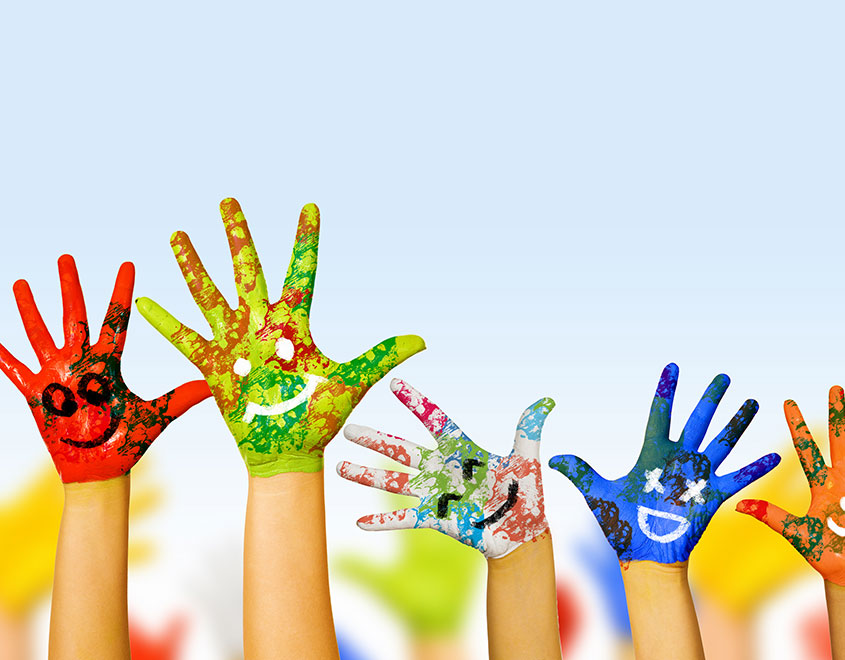
Art education in school does more than provide creative skills. It can help shape students’ thinking, emotions, and overall development. The importance of art in education is to develop a student’s creative thinking, critical thinking, and emotional awareness. In today’s world, where creativity and innovation are valued more than ever before, art education helps students develop independent thought processes and provides the tools necessary for confidence to be able to express their ideas as independent thinkers.
Educators and parents now understand that the role of art in education contributes to improved academic performance, improves a student’s emotional intelligence, and provides cultural awareness for students to be better able to handle the cultural diversity in the world today.
What is Art in Education?
Art education can be defined as the combination of many forms of creative expression, such as music, dance, visual arts, theater, and crafts, to assist in the learning and development of individuals. When art is part of the school curriculum, art educators provide their students with numerous opportunities to express themselves through the exploration of ideas, the communication of feelings, and working together as a team.
Just like mathematics, science, and language, art in education must be practised regularly. Regular exposure enables learners to cultivate their imagination, discipline, focus, and other skills associated with being an artist. Because of the increasing importance of art in education to be included as a core subject, not merely an elective course, there has been an increasing amount of attention given to the importance of art in education.
Why Art Education Matters Today
Research shows that developing these human attributes will be greatly aided through participation in the arts at a young age. The benefits of art education have far-reaching implications for how students think, approach problems, interact with their peers, and much more.
According to the 2024 State of Education Report for India published by UNESCO, arts education is a powerful means to enhance creativity, critical thinking, and emotional intelligence in students. In addition, the report supports the benefits of art in schools in providing a wholesome education for all students in India, consistent with India’s national policy objectives to develop the arts through its education system.

The Role of Art Education in Schools for Holistic Learning
The role of art in education is more than just a way to express creativity; it helps in developing students comprehensively by integrating all aspects of life, mind, emotion, and social skills.
Cognitive Development
This allows students to visualise information, experiment with alternative methods of solving problems, and gain multiple perspectives while approaching many different types of problems. The development of these skills contributes directly to success in the academic world and solidifies the benefits of art education throughout all areas of study.
Emotional and Social Advancement
By participating in group activities related to creating art, students are exposed to many opportunities to develop and practice skills related to respect, cooperation, and empathy towards others. These factors are indicative of the long-term benefits of art in schools to produce emotionally balanced individuals.
Cultural Competence
Students who are exposed to various forms of arts-based learning will develop an understanding of cultures and traditions other than their own.
Integrating Art with Other Subjects
Art improves learning when combined with an academic environment. Interdisciplinary studies offer students the opportunity to investigate scientific ideas by means of drawing, learn about geometry through developed design concepts, and study historical accounts through a visual method of storytelling.
Read more – What can Schools do to Prevent Bullying?
STEAM Education
Integrating art with STEM creates a new type of learning called STEAM (Science, Technology, Engineering, Art, Mathematics) Education. This combination fosters creativity in typically ‘left-brained’ individuals (scientific & mathematical thinkers and problem solvers). The process teaches students that innovation also takes ‘right-brained’ creative thinking, emphasising the importance of art in education, thereby preparing students for their future workforce roles.
Benefits of Art Education in Schools
The benefits of art education are offered across multiple areas:
- Cognitive Development includes enhancing problem-solving skills and providing avenues for creative/innovative thinking
- Emotional Development refers to self-awareness and providing a means for students to express themselves
- Social Development encompasses teamwork/collaboration skills
- Cultural Awareness is obtained by giving students exposure to different cultures, histories, and backgrounds (traditions) within the context that allows them to see their similarities and differences with other people.
- Academic Development includes increasing concentration and interest in school through an expanded learning experience provided by art.
The benefits of art in schools extend outside of the physical school setting and also provide students with a better chance at success in their future careers and lives.
Also Read: Why is financial literacy an essential part of education?
The Decline in Art Education
- Overemphasis on STEM (Science, Technology, Engineering, and Mathematics): It is intensely focused upon by many educational institutions in an effort to support student achievement. While many educational systems utilize STEM academic benchmarks to measure student achievement, they do so to the exclusion of еducation in the creative arts.
- The Educational System is Test-Driven: Because art is not a standardized testing subject, art class utilization is limited, and much less funding will be allocated for students to explore more options in art media.
- Limited Funding Due to Budgetary Restrictions: Budgetary limitations cause most schools to provide less funding for art materials and to reduce the amount of training that art educators receive.
- Lacked Qualified Art Educators: The lack of qualified art educators decreases the amount of quality and instructional depth provided in the classroom.
- Misperceptions About Careers Related to the Arts: Many individuals have cultural misconceptions regarding the ability to have a successful career in the creative arts.
- Curricular Pressures: Many students find it challenging to maintain a balance within their academic curriculum due to the plethora of classes and courses that students are required to take.
Also Read: Effective Instruction in Indian Classrooms: The Expert’s Guide
Why Schools Must Strengthen Art Education
A successful art program supports students by creating an environment where they can experience motivation, confidence, and engagement. An art education in schools prepares students for many different career opportunities, such as design, media, architecture, or creative entrepreneurship.
For schools to be able to implement a successful arts program, however, schools must provide an adequate infrastructure, trained teachers who understand how to effectively teach the arts, and access to current technology to aid in the development of art skills.
Read more – Impact of Social Media on Students
Wrap Up
Art education is an essential aspect of developing creative, confident, and emotionally balanced students. By developing a culture of creativity through developing the human mind, the importance of art education creates innovative thinkers, contributes to building a culturally aware society, and has a profound effect on the cognitive and emotional well-being of all students. To provide strong support for art education in schools, quality infrastructure and teacher training are critically important. Leading educational institution financing partners, such as Varthana, support school leaders in developing space for creativity in the classroom by developing smart classroom practices and creating digital classrooms, as well as providing training to teachers. If you are looking to strengthen the quality of holistic learning in your school, contact Varthana now.
FAQs
1. What are the two types of art education?
Art education can generally be categorized into two primary types:
Formal Art Education
Formal art education occurs within structured educational settings such as schools, colleges, and specialized art institutions. This type of education typically follows a curriculum that includes a systematic progression of lessons, assessments, and evaluations.
Informal Art Education
Informal art education takes place outside traditional academic environments and does not follow a structured curriculum. This type of learning can occur through self-guided study, workshops, community classes, online tutorials, museum visits, or through mentorship by more experienced artists.
2. What is the value of art education?
Art education holds immense value in encouraging well-rounded, creative, and culturally aware individuals. Beyond teaching technical skills in various art forms, art education enhances critical thinking and problem-solving abilities by encouraging students to interpret and create visual responses to their experiences and ideas. This form of education also promotes cultural appreciation and empathy by exposing students to diverse artistic traditions and perspectives, helping them understand and respect different viewpoints. Moreover, art education is instrumental in developing perseverance and focus as students work through the iterative process of creating and refining their work. These skills are transferable across all areas of life, making art education a vital component of personal and academic development. It also prepares students for a dynamic world where innovation and creativity are highly valued.
3. What is the scope of art education?
The scope of art education aims to develop students’ technical skills, such as drawing, painting, sculpting, and digital media creation, while also fostering critical thinking, creativity, and aesthetic appreciation. Art education extends beyond the classroom into the larger community through exhibitions, public art projects, and collaborations that bridge cultural and social divides. Additionally, it prepares students for diverse career paths in fields like fine arts, graphic design, animation, architecture, art therapy, and arts administration. Art education plays a crucial role in cultivating not only skilled artists but also innovative thinkers and culturally literate citizens.
4. How many arts are there?
Earlier, the arts were divided into two main categories: the “fine arts” and the “applied arts.” However, a more contemporary division includes:
- Visual Arts: This includes forms like painting, drawing, sculpture, photography, and printmaking, as well as modern additions such as film, video, and digital art.
- Performing Arts: This category covers music, dance, theater, opera, and other forms of performance that involve live performers.
- Literature Arts: Encompasses the art of written works, including poetry, novels, short stories, and plays.
- Applied Arts: Includes design and decorative arts such as graphic design, fashion design, industrial design, interior design, and crafts.
- Culinary Arts: Although not always included in traditional categorizations, culinary arts involve the art of preparing, cooking, and presenting food.
5. What is the highest degree in the arts?
The highest academic degree one can attain is a Master of Fine Arts (MFA). It consists of various disciplines such as creative writing, filmmaking, graphic design, performing arts, photography, and visual arts. Typically, one can pursue an MFA after earning a Bachelor of Fine Arts (BFA). It allows artists to deepen their expertise, refine their craft, and engage in advanced creative work.
6. What is the importance of art for a student?
Engaging in art allows students to express their emotions and ideas, fostering creativity and imagination, which are essential for innovative thinking. Art education encourages students to observe, analyze, and interpret the world around them, enhancing their critical thinking and problem-solving skills. It provides a therapeutic outlet, helping students manage stress and build emotional resilience. By promoting collaboration through group projects, art education also cultivates social skills and cultural awareness, encouraging empathy and appreciation for diverse perspectives.
7. What is the aim of art education?
Art education aims to cultivate creativity, critical thinking, and emotional intelligence in students by providing them with opportunities to explore self-expression, develop problem-solving skills, and appreciate diverse cultures and perspectives.
8. What is the basic concept of art education?
The basic concept of art education is to engage students in creative processes that foster personal expression, critical thinking, and an appreciation for diverse forms of artistic expression, while also developing their ability to interpret and analyze.
9. What is the nature of art education?
The nature of art education is to provide students with a dynamic and interactive experience that enhances their creativity, critical thinking, and emotional expression through diverse artistic practices and mediums.
10. What is the importance of art in education?
Art plays a critical role in developing creativity, critical thinking, and emotional intelligence. It prepares students for academic success and personal growth.
11. What are the benefits of art education in schools?
The benefits of art education include improved problem-solving, better academic performance, enhanced creativity, and greater cultural awareness.
12. What is the role of art in education for students?
The role of art in education is to provide opportunities for self-expression, build confidence, and prepare students for real-world problem-solving.
13. How does art education in schools impact future success?
Regular engagement in the arts enhances focus, builds resilience, and fosters innovation—skills that are essential for success in careers and life.
14. Why should schools promote art education?
Schools should prioritise art education in schools because it supports holistic development and ensures students remain culturally aware and emotionally balanced.



Social