
Every day, India produces approximately 26,000 tons of plastic waste. The amount of plastic waste combined with other types of waste, such as paper, electronics, food scraps, etc., allows waste to be piled up at landfills and causes pollution to the environment. Approximately 40% of the waste that is thrown in the trash can be reused or recycled. This shows that it is very important to have waste management projects for students while they are in school or involved in their communities.
Groups and communities involved with plastic waste management projects for students are demonstrating an environmentally friendly approach to waste, creating an outlet for creative thinking, education and problem-solving. The projects associated with plastic waste provide students with the opportunity to take everyday items that would normally be thrown away and turn them into something productive. They are creating innovative ideas and becoming aware of the importance of protecting the Earth.
The Importance of R`ecycling
Recycling is an environmentally sustainable activity and helps students to learn how to work responsibly and build teamwork and practical skills. Recycling projects for school students provide a means to experience hands-on learning and to develop a better awareness of their surroundings.
Environmental Benefits of Recycling
Reducing Landfill Waste
Recycling has positive effects on the amount of waste going to landfills, reducing the chances of soil and groundwater contamination, as well as decreasing the amount of methane released due to the decomposition of waste materials.
Conserving Natural Resources
Recycling reduces the amount of raw materials used in making new products (i.e., timber and minerals), preserves the natural environment, and requires significantly less energy to produce than creating new products.
Reducing Pollution
Producing new products from recycled items requires much fewer resources, produces much fewer greenhouse gases, and decreases the number of plastic products entering oceans and waterways.
Read More – School Uniform Should Be Mandatory Debate
Educational Value of Recycling Projects for Students
Developing Problem-Solving Skills
Recycling projects allow students to utilize critical thinking by learning how to turn their waste into something useful. They will develop creative thinking abilities.
Fostering Creativity
Using everyday waste to produce a work of art or functional items builds imagination, creativity, resourcefulness, and allows students to learn how to take something apart and build something from it.
Raising Environmental Awareness
Recycling-based activities help students recognize and better understand how much waste they create, and develop long-term habits that help protect the environment.
Fun and Creative Recycling Projects For Schools
Hands-on recycling supports students’ environmental empowerment and teaches them to use their imaginations. Engaging in waste management projects for students helps in gaining a practical understanding and appreciation for sustainability through experiential learning.
Paper Crafts
Students can recycle newspapers and used paper into notebooks, bookmarks, and paper-mâché sculptures. These recycling projects for school easy to implement, encourage creativity while showing students how to responsibly reuse paper waste in a simple and practical way.
Plastic Transformations
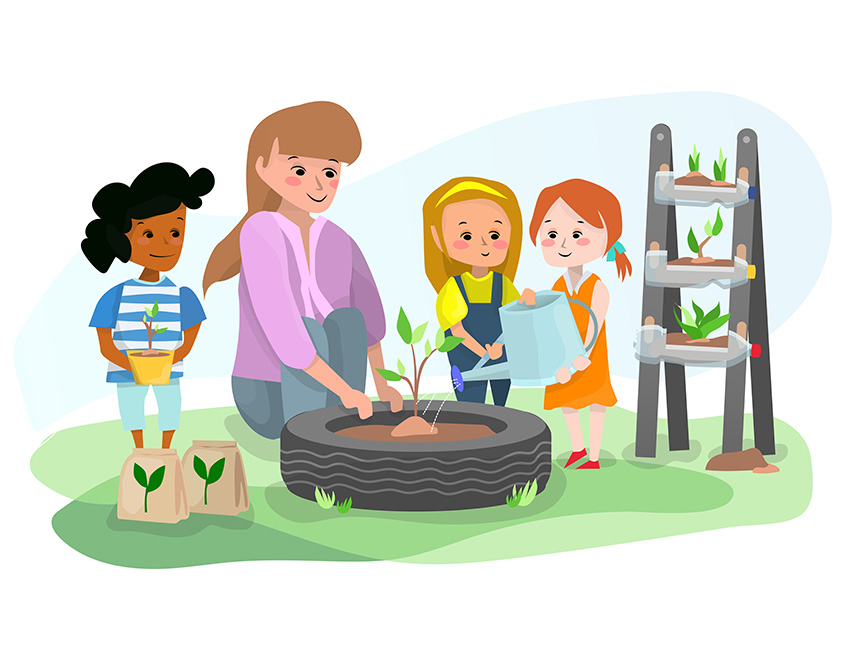
With supervision from an adult, students can have plastic waste management projects for students into planters, bird feeders or even decorative lamps, demonstrating how ordinary plastic has the potential for another life.
Textile Creations
Recycling clothing and fabric scraps into reusable bags and accessories, or stuffed toys, provides students with an opportunity to develop basic sewing skills while helping them to develop sustainable clothing practices.
Electronic Upcycling
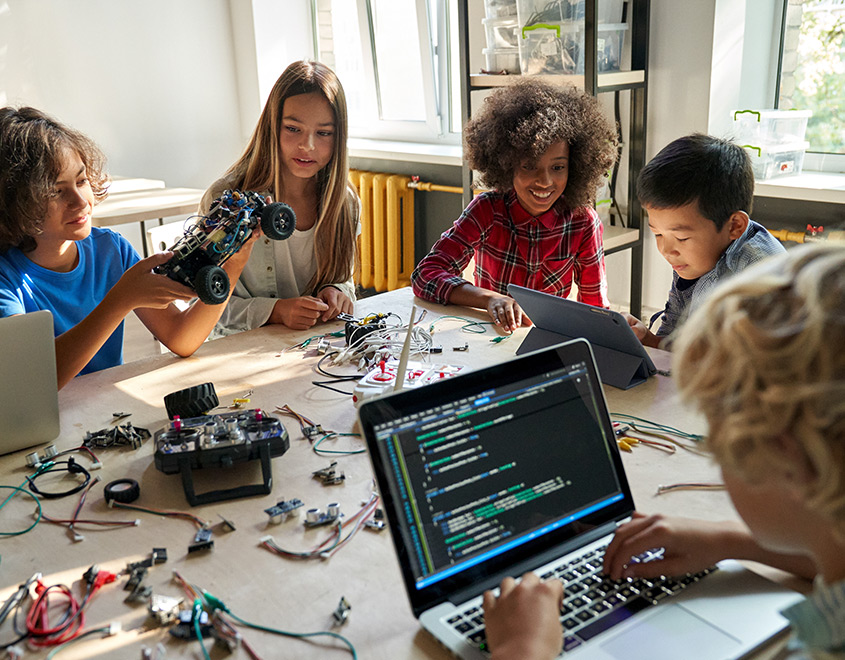
Using old electronic items, such as CDs, speakers, or circuit boards, to create clocks, lamps, or amplifiers allows students to learn about reusing items and also learn some basic technology concepts.
Food Waste Composting
Teaching students how to recycle food waste into compost for use in their school garden helps them understand waste reduction, soil health, and sustainable gardening practices, making it a practical and impactful recycle project for school.
Tips for Successful Implementation
- To prepare students for their projects, they should brainstorm and plan before beginning; brainstorming could take the form of drawing out designs, making lists of needed materials, and determining what is within their ability to accomplish.
- Setting clear timelines and milestones can help keep students on course.
- Students should collect materials before starting their projects. This could be done through a recycling drive, or students could be asked to bring materials from home. Students should also be reminded that they should only use clean, safe materials.
- There is an enormous opportunity for creative material sourcing, and students are encouraged to think outside of the traditional “recyclable” box. Examples include broken toys, leftovers from lunch, or old tools that are no longer useful.
- Students should be aware of safety while using the materials; this is particularly true for cutting, gluing, or using electronic materials.
- Students should be provided with appropriate safety equipment (goggles or gloves) and closely supervised while using any tools or electrical components.
- Teach students the proper way to dispose of any waste produced by a project that cannot be recycled.

How Can Schools Encourage Better Waste Management?
The role schools play in developing students’ daily habits is significant, making them an ideal location to promote responsible waste management. By incorporating sustainability into students’ daily learning, students will develop an increased environmental awareness over time, along with developing practical life skills.
1. Education and Awareness
Educating students on waste reduction and recycling issues through discussions and classroom activities from an early age.
2. Recycling Programs
By providing clearly marked recycling bins throughout the school, as well as having clubs led by students to promote continued recycling practices by both students and staff.
3. Composting Initiatives
Schools can collect excess food waste from their cafeteria and compost it, allowing for reuse in their school gardens and providing practical examples of sustainability.
4. Reduce and Reuse
Schools can provide digital communication and reusable materials to help reduce the amount of daily waste created.
5. Creative Competitions for Recycling Projects in School
Schools can create art and other projects from materials that would otherwise be discarded, as well as have student competitions to design creative recycling ideas, in addition to encouraging participation through active student involvement.
6. Partnerships and Community Involvement
By establishing local clean-up projects, schools have helped create environmental responsibility within their communities.
7. Monitoring and Feedback
To evaluate the effectiveness of waste management systems on an ongoing basis, schools can regularly examine waste management procedures and use the feedback of both staff and students for continual improvement.
Many recycling projects for school students focus on implementing sustainability through creative ideas, which have demonstrated how creative ideas can lead to new and developing solutions.
With the right support from school finance, educational institutions can upgrade their waste management systems as well as their learning environments. By partnering with NBFCs that focus exclusively on education, like Varthana, educational institutions are better able to improve their infrastructure and implement environmentally sustainable initiatives, thereby improving the viability of sustainability education.
Read more – What can Schools do to Prevent Bullying?
Conclusion
Helping students understand that waste can be viewed as a resource instead of a nuisance helps create a culture of creativity and responsibility. Students’ hands-on management of waste enables them to engage with, develop their own unique creative ideas about, and learn about environmental responsibility through waste management projects for students. Many different types of recycling projects for school students can be easily incorporated into everyday learning environments. With the financial backing of a school finance organisation like Varthana, the landscape for implementing such initiatives can be enhanced by providing infrastructure and function in tier 2 and 3 cities across India. Contact Varthana today and strengthen the environment at your school.
FAQs
1. How to be creative with recycling?
Being creative with recycling involves finding new uses for items that might otherwise be discarded. Instead of throwing away old materials, consider how they can be transformed into something useful or artistic. For example, plastic bottles can be turned into planters, storage containers, or even decorative lighting. Old clothing can be repurposed into rugs, bags, or patchwork quilts. By thinking outside the box, you not only reduce waste but also give new life to objects, while fostering your creativity.
2. What is creative recycling?
Creative recycling is the process of reimagining and repurposing discarded materials into new, functional, or artistic items, reducing waste while encouraging innovation and sustainability.
3. What can I make for a recycling project?
For a recycling project, students can make a variety of creative and practical items using common household waste. For example, students can transform old plastic bottles into plant pots or bird feeders, make wallets or tote bags from used fabric or denim, or craft a decorative lamp using discarded paper and cardboard. Students could also create art by assembling a collage from magazine clippings or turning glass jars into decorative storage containers. They can even use old tyres to make dash stools or coffee tables.
4. What are the 3 types of recycling?
The three main types of recycling are:
- Mechanical Recycling: This involves physically breaking down materials, such as plastics, metals, or glass, into smaller pieces to be remade into new products. For example, plastic bottles can be shredded and melted down to create new plastic items.
- Organic Recycling (Composting): This involves recycling organic waste, like food scraps and yard waste, into compost, which can be used to enrich soil in gardens or farms. It helps return nutrients to the earth and reduces landfill waste.
- Chemical Recycling: This process breaks down materials at a molecular level, transforming them into raw chemicals that can be used to produce new materials. It’s often used for plastics that cannot be mechanically recycled.
5. Is recycling a good habit?
Yes, recycling is a good habit because it helps reduce waste, conserve natural resources, and protect the environment by promoting sustainable use of materials.
6. What are some easy waste management projects for students?
Simple ideas include making plastic bottle planters, creating paper mâché crafts, or composting food scraps at school.
7. How can students manage plastic waste effectively?
Students can reuse bottles as planters, turn them into eco-bricks, or design art projects from discarded plastics.


Social