
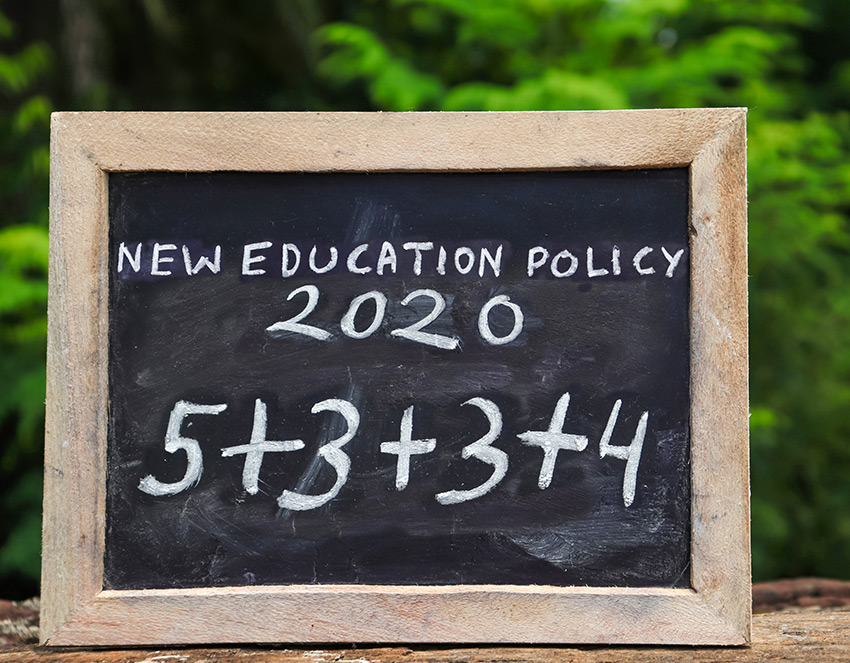
The education sector in India has developed dramatically over time; however, throughout the course of this evolution, there have been many issues to deal with due to some barriers in providing quality education in India evenly across its borders. A detailed look into the merits and demerits of education helps to fulfill an evaluation of the overall effectiveness of delivering students to deal with the different aspects of the current changing world.
The merits of education can include increasing an individual’s ability to think critically, improving social awareness, providing necessary skills to pursue future employment, and supporting young people to develop as creative thinkers, as well as to improve themselves.
Demerits of education can include dependence on rote learning, the pressure that results from competitive testing, unequal access to quality materials and resources, as well as a lack of practical or vocational training. Based on these limitations identified above, the development of Education was moved forward through the implementation of several reforms, including the development of the New Education Policy (NEP) for 2020, which focused on addressing the current barriers. Although this proposal includes the delivery of holistic education, vocational training, and the inclusion of digital technology, will we have achieved those goals in time?
Example of this would be the substantial differences in educational delivery to individuals in lower income brackets, specifically in regards to the use of technology, given that only 40% of the population residing in rural areas and, thus, little will be achieved through the implementation of the NEP for vocational education by the year 2025, given that less than 50% of education institutions in India presently offer structured vocational programs.
In 2023-24, 37 lakh students had withdrawn from school due to changes in India as a result of UIDSE, either through the volume of alternative education opportunities for primary, secondary, and post-secondary education, or directly due to social and economic pressures on families. 37 lakh would be approximately equivalent to all the children currently residing in Sri Lanka at this time. According to the recent report, the number of enrolled students has decreased from 25.17 crores in 2022-23 to 24.80 crores in 2023-24. Yet the area of greatest concern is the dramatic decrease in the number of female students who were previously enrolled. On one hand, while NEP 2020 certainly conveys an optimistic vision, it will all depend on how well it can be implemented and made accessible. From this perspective, is India adequately equipped to handle these educational changes, or will it be a long journey?

Overview of the New Education Policy (NEP) 2020/2022
The New Education Policy 2020 (also known as the New Education Policy 2022 in later updates) aims to modernize the Indian education system. To achieve this, the goal is to create holistic, flexible, and internationally aligned education.
Key Features

(Source: QuestPlus)
- Holistic Education: Multi-disciplinary or “Multi-Stream” education where students can study all subjects in all disciplines (art, science, and vocational) combined for a well-rounded education.
- Early Childhood Care and Education (E.C.C.E.): ECCE is the early childhood learning experience (3-8 years) that has foundational (reading, writing, and arithmetic) skills.
- Curriculum Reforms: There is a shift from rote memorization to developing critical thinking, conceptual learning, and creativity.
- Curriculum Structure: The new curriculum will begin at 3 years of age and have a 5+3+3+4 system rather than the existing 10+2 system.
- Higher Education Reforms: To have a 50% Gross Enrolment Ratio by 2035. In addition, create a 4-year, multiple exit points undergraduate program.
- Vocational Education: To incorporate a vocational education system starting at grade 6, with teachers providing internship opportunities.
- Teacher Professional Development: By providing ongoing professional development and training to teachers to provide better outcomes.
How is NEP Helpful for Teachers?
The saying, “Teachers change the lives of their students,” reflects the dedication and effort that they provide toward implementing the New Education Policy. Below are key pointers on how NEP 2020 supports teachers:
| Aspect | How NEP Helps Teachers |
|---|---|
| Professional Development | Focuses on continuous teacher training and skill development through training programs like NISHTHA. |
| Pedagogical Shift | Encourages student-centered, experiential learning methods. |
| Use of Technology | Supports the integration of technology, helping teachers use digital tools effectively for teaching. |
| Holistic Education | Encourages the development of cognitive, emotional, and social skills. |
| Reduced Burden | Shifts focus from rote memorization to holistic learning, reducing workload. |
| Teacher Empowerment | Provides teachers with more autonomy in teaching and assessment. |
| Inclusive Education | Encourages inclusive education, providing teachers with tools and strategies to support diverse learners. |
How is NEP helpful for Students?
New educational policy in India aims at making the education system adaptable to students’ requirements and holistic so that they can become productive members of society. This new policy provides students with the learning and skills necessary to have a successful career in today’s world. Here is an outline of the benefits to students through the new educational policies outlined by NEP 2020:
| Aspect | How NEP Helps Students |
|---|---|
| Holistic Development | Emphasize the development of cognitive, emotional, and social skills through a holistic approach to their development. |
| Personalized Learning | Encourage students to pursue personalized learning plans based on their interests and needs. |
| Skill Development | Promote skill‐based education to enable students to succeed in the workforce. |
| Flexible Curriculum | Provide students with various subject areas and different styles of learning so they can have an opportunity to learn in multiple disciplines. |
| Inclusive Education | Ensure that all students have equal access to a quality education, regardless of their race, ethnicity, socio‐economic status or other relevant factor. |
| Reduced Exam Pressure | Encourage students to use concepts learned rather than relying solely on memorization for tests; thus reducing stress associated with exams. |
| Early Exposure to Vocational Skills | Provide students with access to vocational programs and skills‐based training early in order to increase their employability |
Also Read: 7 best ways to prepare students interested in a vocational and/or technical career
What are the Advantages and Disadvantages of NEP 2020?

Some of the benefits of the new education policy include developing critical thinking skills, promoting universal access to quality education, and being aligned with international best practices, while the challenges associated with implementation (especially in rural areas) and ensuring equitable distribution of resources are considerable. Achieving the implementation of the policy across India is also a major challenge. A balanced understanding of the merits and demerits of the new education policy is required in order to assess the total impact and long-term effectiveness of the new education policy.
Advantages of New Education Policy
The New Education Policy 2020 seeks to revamp the education system in India so that there is improved quality, inclusiveness, and flexibility. Bidhan Chandra College in West Bengal is one such institution implementing the NEP 2020 policy by combining arts, social sciences, and STEM for the holistic development of students.
Let us understand some of the key merits of NEP 2020:
- Reorganised School Structure:
One of the advantages of new education policy 2020 that will arise from the New Education Policy 2020 is a shift from the conventional 10+2 structure to a new 5+3+3+4 structure, which has a developmental stage alignment of the learning process. By using this format, it should also reduce early pressure to perform academically.

(Source: iitms.co.in)
- Vocational Learning and Digital Exposure: Through the introduction of vocational education and training as part of NEP 2020, activities such as the introduction of arts and crafts, and skills-based learning by providing computer and coding instruction at an early age. This will help promote digital readiness.
- Flexible Pathways in Higher Education: One of the main benefits of this dynamic educational reform initiative is the introduction of multiple entry and exit points for students, meaning that as long as students complete the required amount of study, they can earn a certificate, diploma, or degree, thereby decreasing the dropout rate.
- Skills Development and Assessment: The New Education Policy 2020 places great emphasis on the building of foundational literacy and numeracy skills; however, assessments will also focus more on students’ ability to think critically, solve problems, and apply knowledge practically.
- Multidisciplinary and Inclusive Learning: Students will be given the option to study a combination of subjects from different streams, thereby promoting their innovative thinking capabilities. The policy also provides for equitable access, increased investment, improved teacher training, and infrastructure support resulting from the work of non-banking financial companies (NBFCs) such as Varthana to facilitate the implementation of this dynamic reform.
Disadvantages of New Education Policy
The NEP 2020 aims at future-focused reforms; however, when implemented in a country such as India that is diverse and lacks resources, the limitations of what are the disadvantages of NEP 2020 begin to arise.
- Delaying English Exposure: Delaying the exposure to English language instruction in government schools has the potential to create a wider gap in communication between students from public and private backgrounds, which can affect readiness for higher education and employment.
- Implementation Challenges and Resource Gaps: Another major demerit of NEP 2020 relates to infrastructure, training of teachers, and funding. Many rural and underfunded schools will not be able to implement or fulfill the requirements outlined in this policy.
- Concerns about Digital Divide: The policies push for a digital learning environment, but this cannot be achieved due to a lack of access to smartphones, computers, and IT infrastructure in government schools and remote areas.
- Potential Dropout Risks due to Flexible Undergraduate Programmes: The multiple exit pathways into an undergraduate course may inadvertently lead to more students dropping out of their courses without completing their degree.
- Challenges of Vocational Education: Vocational education suffers from a lack of vocationally trained teachers, no structured curriculum, and a reduction in vocational education effectiveness from the stigma attached to vocational education.
- Challenges of Assessment and Language: Uniform competency-based assessments may lead to subjectivity, and a reliance on the regional language will cause greater challenges for students who wish to move across linguistic boundaries.
- Teacher Workload and Planning Gaps: Higher workloads will make it difficult for teachers to perform their normal duties, and a lack of clarity on how the plan will be implemented will also contribute to this issue.
Also Read: 6 Ways Examination and Assessment Reforms are Changing Indian Schools
Solutions to Overcome the Challenges
To implement the solutions offered, the following are the essential components to address the challenges listed in this document.
1. Bridging the English Language Gap
Introduce English as a secondary subject in Government primary schools beginning at an early age, while continuing to teach students in regional languages. Students will also benefit from additional materials specifically geared toward helping them build their communication skills by utilizing additional resources/tools for learning English and offering interactive programs online to help facilitate.
2. Ensuring Effective Implementation
To build infrastructure, to train teachers, and to provide necessary digital resources, adequate funds must be available to schools. Schools should also consider partnering with NBFCs like Varthana to assist in providing these resources, especially in rural schools.
3. Strengthening Digital Learning Access
Provide affordable digital devices and access to free high-speed internet for all schools located in the lower socio-economic areas, as well as provide smart classrooms. Collaboratively work with both public and private sectors to improve the IT infrastructure within government schools.
4. Improving Vocational Education
Professional teaching vocational placements must be trained and should provide information about vocational placements as a career option in order to reduce any stigma associated with vocational education. Build partnerships with local and regional industries to provide students with professional experience and career paths.
5. Providing a Clear Implementation Roadmap
A phased action plan must be developed with clearly defined timeframes. Regular checkups and feedback will ensure the timely and efficient implementation of a phased approach, as well as provide opportunities for timely improvements.
Read more – Advantages of Technology in Education
Conclusion
The NEP 2020 offers a blend of advancement and practical obstacles to India’s educational system. The emphasis on complete development, flexibility, and building skills can happen positively with adequate resources. In order for schools to implement these concepts into real-world practice, they will require continual financial support and academic assistance. Varthana provides financial support to schools by empowering them to build infrastructure, put an emphasis on teacher training, and implement integrated curriculum solutions that align with the NEP 2020 agenda. Partner with Varthana today to build consistent, long-term growth for your institution.
Read More:
- Examining the Benefits and Drawbacks of Year-Round Schooling in India
- Examining the benefits and drawbacks of online learning
FAQs
1. What are the limitations of the New Education Policy?
- Lack of infrastructure for implementing the NEP.
- Shortage of trained faculty which is crucial for successful implementation.
- Funding constraints which require adequate financial support to execute the proposed reforms effectively. The risk of dropout in four-year undergraduate programs may lead to students leaving courses midway. Shorter diploma programs might remain a quicker option, potentially affecting completion rates.
- Focus on foundational learning compromises students’ ability to master grade-level outcomes.
- Equity concerns as well-resourced private schools may implement the reforms more effectively than underfunded public schools.
- Vocational education curriculum may face resistance due to the social stigma potentially limiting its effectiveness.
2. What are the good things about NEP?
- Holistic learning by integrating arts, sports, and vocational education alongside academic subjects.
- Flexible curriculumallowss students to choose subjects based on their interests and career aspirations.
- Early Childhood Education plays a crucial role in cognitive development.
- Multilingual education benefits cognitive abilities and cultural understanding.
- Technology integration aims to enhance digital literacy, e-learning, and adaptive assessments.
- Higher education reforms propose a flexible degree structure and increased research funding. These changes can elevate the quality of higher education.
- Inclusive education bridges gaps in access and quality, especially for marginalized communities.
3. Is NEP based on CBSE or ICSE?
The New Education Policy (NEP) 2020 is not based on either the CBSE (Central Board of Secondary Education) or ICSE (Indian Certificate of Secondary Education) systems. Instead, it is a comprehensive framework designed to change the entire education system in India, applicable to all boards.
4. How will NEP affect students?
The New Education Policy (NEP) 2020 is poised to positively impact students by encouraging a more holistic and flexible education system. It emphasizes critical thinking, creativity, and practical skills and vocational training from an early age. NEP promotes digital literacy and inclusivity, ensuring students from diverse backgrounds have access to technological tools. With a focus on multilingual instruction and competency-based assessments, NEP aims to enhance students’ overall learning experience, reduce exam stress, and better prepare them for future challenges.
5. What are the merits and demerits of the Indian education
Merits of education:
- Diverse curriculum: Offers a wide range of subjects and specializations, catering to various interests and career paths.
- Focus on academic excellence: Emphasizes rigorous academic standards and high performance, which can lead to strong foundational knowledge.
- Wide reach: Extensive network of schools and universities, providing education across urban and rural areas.
- Cultural and moral education: Incorporates values and cultural education, promoting social and ethical awareness.
- Competitive examination system: Prepares students for national and international competitive exams, fostering a high level of preparedness.
Demerits of education:
- Rote learning: Often emphasizes memorization over critical thinking and practical application, leading to superficial understanding.
- Unequal access: Disparities in educational quality and resources between urban and rural areas, and between private and public institutions.
- Pressure and stress: High-stakes exams and academic pressure can lead to significant stress and mental health issues among students.
- Lack of practical skills: Insufficient focus on vocational training and life skills, affecting employability and practical readiness.
- Outdated curriculum: Some curricula may not be updated regularly to reflect modern educational needs and technological advancements.
6. What are the 5 New Education Policies?
- Curriculum and Pedagogy Reforms: Multidisciplinary approach, integrating subjects and focusing on critical thinking, creativity, and problem-solving skills.
- School Education Structure: New school education structure 5+3+3+4, which includes five years of foundational stage (ages 3-8), three years of preparatory stage (ages 8-11), three years of middle stage (ages 11-14), and four years of secondary stage (ages 14-18).
- Higher Education and Vocational Training: Promotes multiple entry and exit points in higher education, allowing students to earn certificates, diplomas, or degrees based on their study duration and vocational education into mainstream schooling.
- Teacher Education and Training: It aims to improve teacher quality through regular training, career advancement opportunities, and the introduction of a National Mission to Focus on Basic Literacy and Numeracy.
- Inclusivity and Equity: To provide equitable access to quality education for all students, including those from disadvantaged backgrounds, and to promote education in mother tongues, and support for differently-abled students.
7. How will NEP affect students?
The New Education Policy (NEP) 2020 is set to positively impact students by introducing a more flexible and comprehensive education system, adapting their education to their evolving interests and career goals, integrating vocational training, and promoting digital literacy, ensuring that students are well-prepared for future challenges and opportunities.
8. What are the main changes in NEP?
- Revised School Education Structure:5+3+3+4 System
- Curriculum and Pedagogy Reform: Holistic and Multidisciplinary Approach
- Flexible Higher Education: Multiple Entry and Exit Points
- Vocational Education Integration: Early Introduction of vocational training
- Focus on Digital Literacy: Technology in Education
- Teacher Training and Professional Development: Continuous Improvement
- Early Childhood Education Strengthening: Foundational Literacy and Numeracy
- Assessment Reforms: Competency-Based Evaluation
- Inclusivity and Equity: Access for All
9. What are the 4 pillars of NEP?
The New Education Policy (NEP) 2020 is built upon four foundational pillars:
- Access and Equity
- Quality and Excellence
- Affordability and Sustainability
- Relevance and Flexibility
10. What is the main point of NEP?
The main point of the New Education Policy (NEP) 2020 is to transform India’s education system by making it more holistic, inclusive, and adaptable to the needs of the 21st century, focusing on critical thinking, flexibility, and equitable access to quality education.
11. What was the major failure of the NEP?
A major failure has been its implementation, particularly in bridging the digital divide and ensuring equitable access to resources, which has led to uneven progress across different regions and socio-economic groups.
12. How does NEP 2020 impact rural education?
NEP encourages inclusive education, but rural schools need adequate digital infrastructure, trained teachers, and funding to fully benefit.
13. How does NEP 2020 support vocational education?
Vocational training is integrated from grade 6, offering practical skills, internships, and exposure to real-world careers.
14. Is NEP 2020 accessible to students from all socio-economic backgrounds?
Yes, the policy promotes equitable education, but effective access depends on funding, infrastructure, and outreach in underprivileged areas.


Social